Four Words for Sweet Relief
I can’t tell you how many hours I’ve spent in my own head pushing away something I didn’t want. Trying to work out a situation that was out of my control. Blocking hard feelings. Replaying scenarios. Worrying.
You know this feels exhausting – because it’s completely universal affliction.
It’s only human to want to fight against painful experiences. They come dressed in many outfits: breakups, past traumas, financial troubles, persistent insecurities of the enduring self. Like that time we got rejected for the dream job we worked our ass off to get. It sucked, and it still scratches at us.
So we resist it. We don’t touch anything that’s brought distressed emotions in the (far or recent) past. We hold a shield of armor to defend ourselves. We spend a lot of energy detecting and denying the resurgence of painful thoughts.
Because there’s really no good reason to welcome painful thoughts, right?
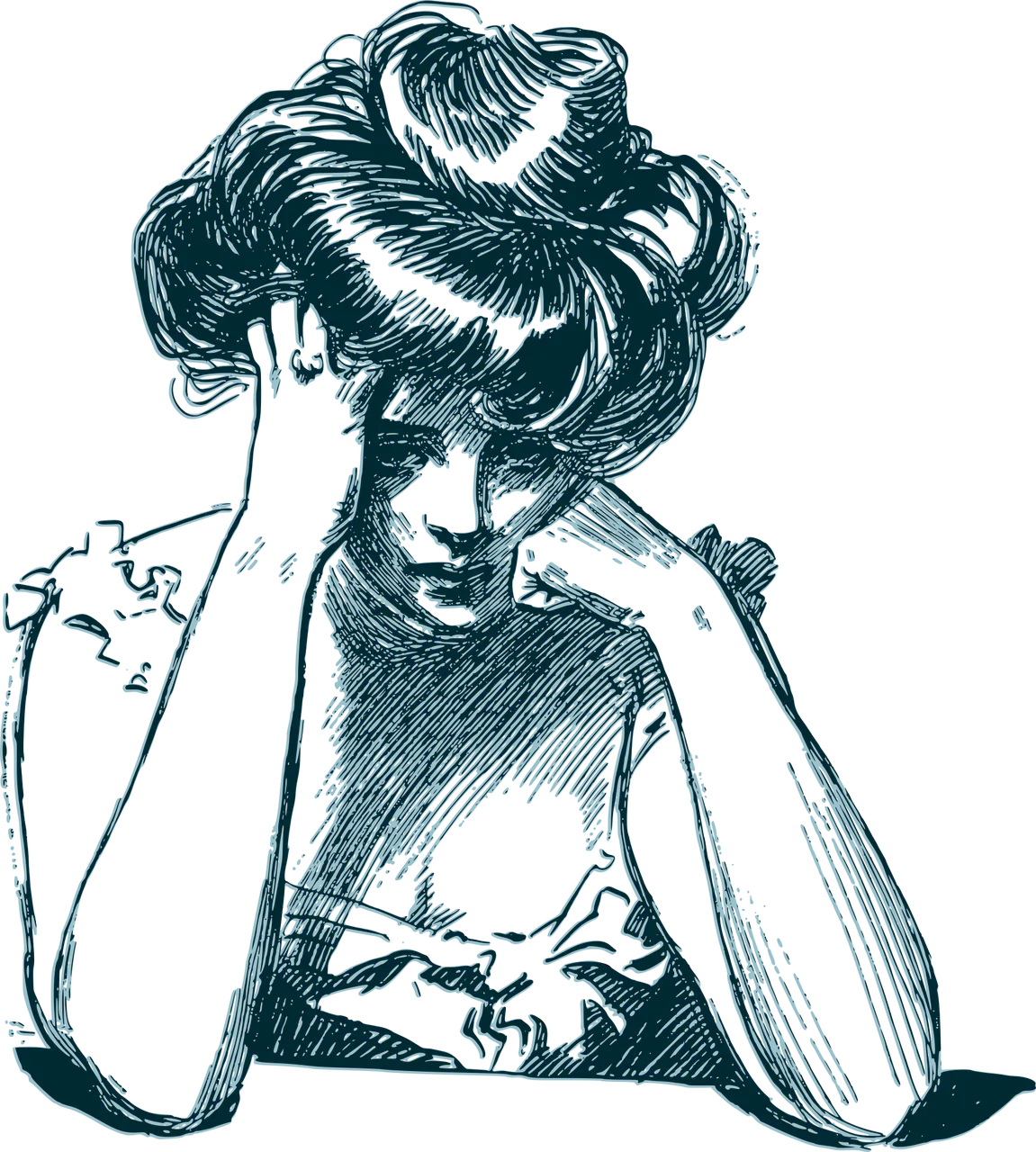
But here’s the problem. Painful experiences and the impressions they’ve left – they don’t go away. They rest like half-healed cuts in our hearts, fragile and sensitive to the slightest of disturbances. Then we hear about a friend getting a job at that company we wanted to work for. Or we see a picture of our ex smiling on Facebook. The half-healed cut opens and sears, and we realize that thing we’ve been pushing down will inevitably keep coming up.
This pattern leads us to a truly paradoxical remedy, and one worth sharing: What we resist, persists.
Can those four words really change everything?
This idea is often credited to Swiss psychologist Carl Jung and his team claim that what you resist not only persists, but grows in size. It’s our instinct to resist pain, but when it comes to emotional pain, that’s usually the symptom of a deeper problem. Resisting negative feelings actually invites us to feed right into them. We give them the full-spotlight attention and thus, serious jurisdiction over our internal peace.
The hard truth is, feeling better comes with letting go. Because once we accept what is, we finally release our grasp from the toxic emotions that accompany bad feelings and experiences. We make space to put our energy into something more realistic, fulfilling, and growable. We can fully step into the reality we’re working with.
It isn’t easy to let go, we know this. But there’s a cost to clinging. If we attach ourselves to unresolved feelings, we’re constantly in self-protection mode. We deny and deny, and so we can’t open our arms to life. Once we’re aware that clinging has such a high cost, it makes it a little easier to see the hope that comes with finally releasing our grasp.

When we allow space to process loss and accept what is, we put ourselves in the best possible position to change (or move on from) the situation. Our mind isn’t weighed down by clinging or resisting. We can finally release the heavy anchor attached to the half-healed cut. We can take a deep breath and let it be.
Acceptance doesn’t mean taking on a defeatist attitude in the face of hard things. It means not resisting difficult feelings to the point that self-defeating ruminations paralyze us. From that vantage point, we’re just running in circles.
Resisting is totally human. It’s something that takes courage to rise above. We’ll never be perfect, but we must re-examine the habit of resistance to give ourselves a chance to move forward.
Because remaining attached to unresolved feelings will always feel that way: unresolved.
It’s counterintuitive to think that by embracing and accepting pain, we can end suffering. But remember that resisting attracts more of what we don’t want. Self-pity lengthens and amplifies suffering. By giving it attention or even burying it, we allow it to have more power over us because the root cause is still very much there.
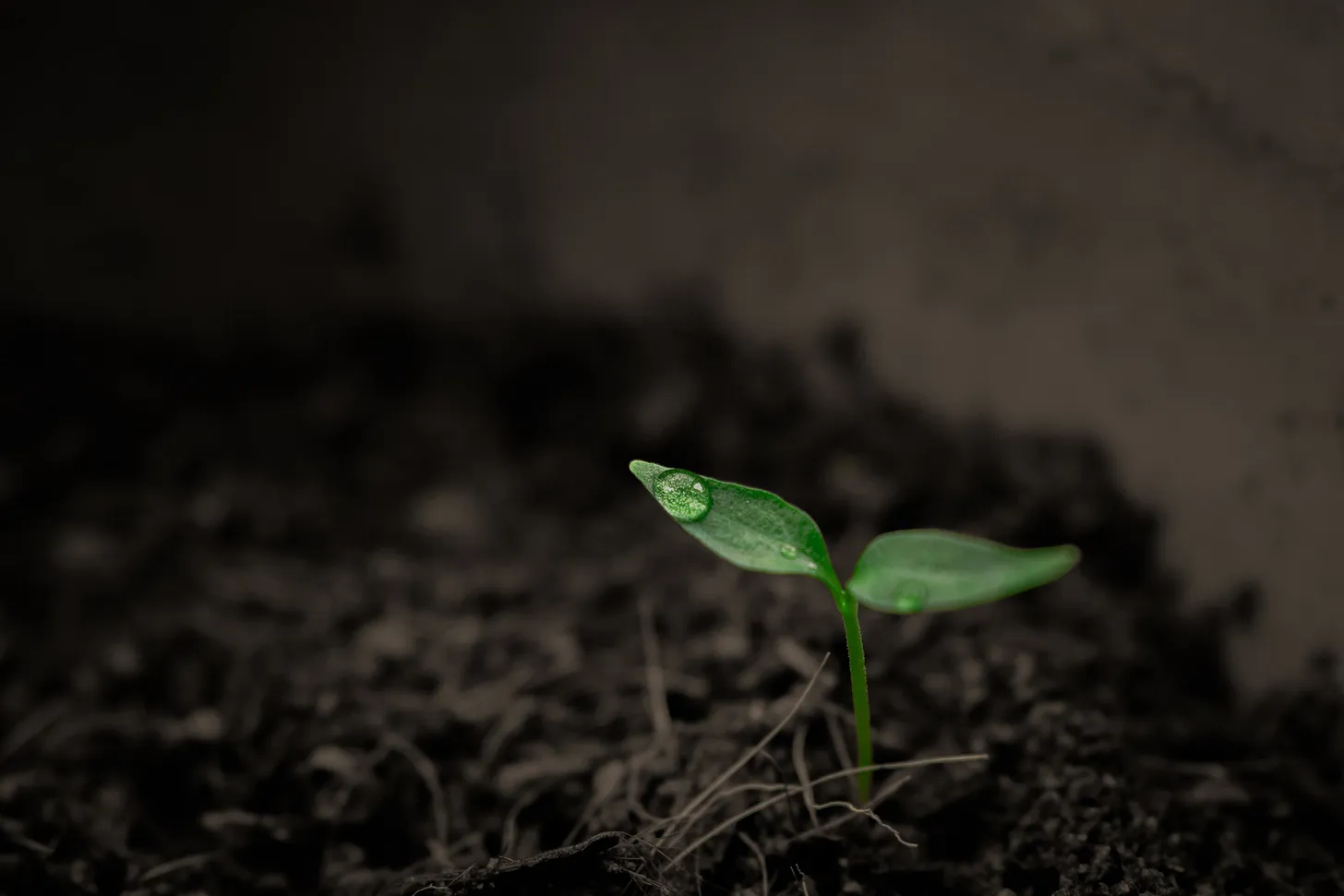
It’s not easy, but we can work with what we accept. We can see it for what it is, seek solutions, or create next steps from new angles. We can truly manage it.
And so by devoting energy into acceptance, we find there is resolution to emotional turmoil. We must accept that we can’t out-think life, in order to get a grasp on life once more.
It’s all a paradox.